Palas de Rei
Located inland in the Province of Lugo, right in the comarca of A Ulloa, the municipality of Palas de Rei stands as one of the most symbolic stages of the Camino Frances. At the transition between the Lugo plateau and the green landscapes of inland Galicia, this town welcomes thousands of pilgrims every year who, having left Portomarin behind, head into one of the most emblematic stretches of the route towards Santiago de Compostela.
Accommodation in Palas de Rei
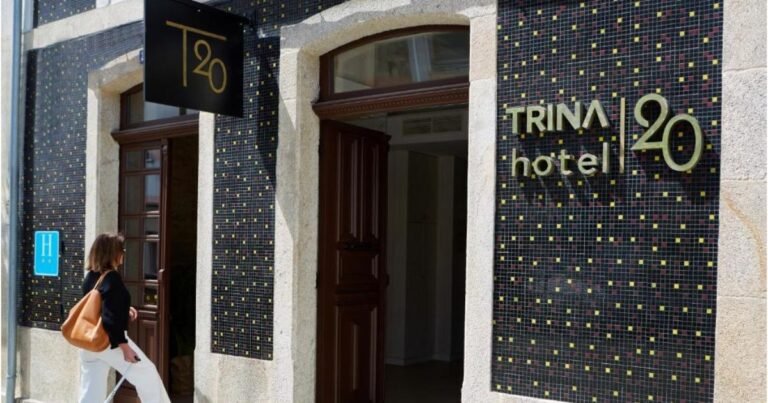
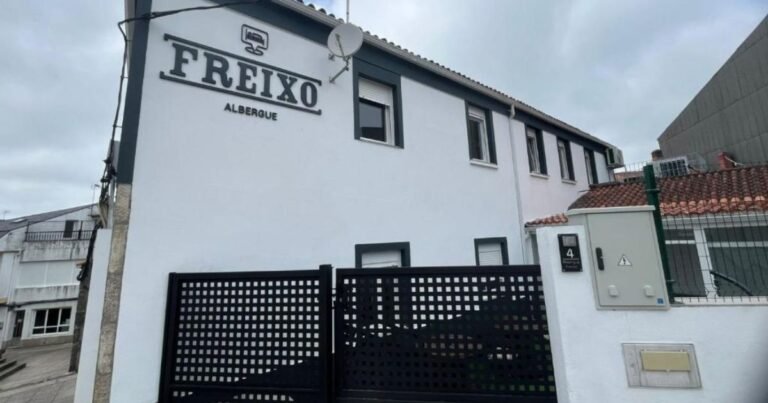
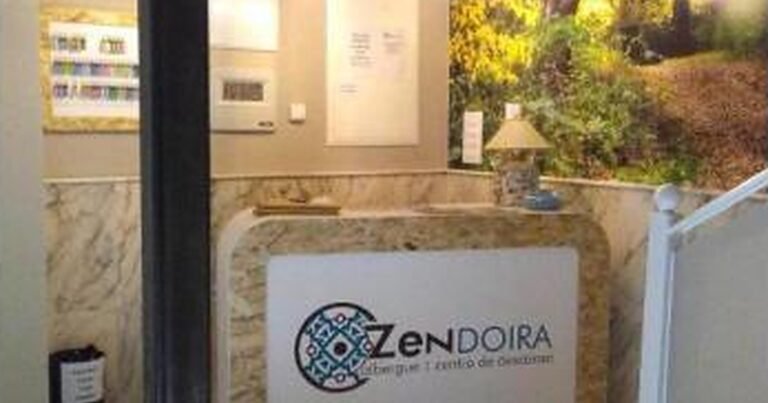
Hostels in Palas de Rei
Palas de Rei on the Camino de Santiago
The stage linking Portomarin and Palas de Rei is a key stretch for the pilgrim: 25 kilometres of rural paths, stone hamlets, Romanesque churches and lively countryside. As the end of the stage, Palas de Rei offers walkers a breather before facing the day’s journey towards Melide, where the Camino Frances and Camino Primitivo meet.
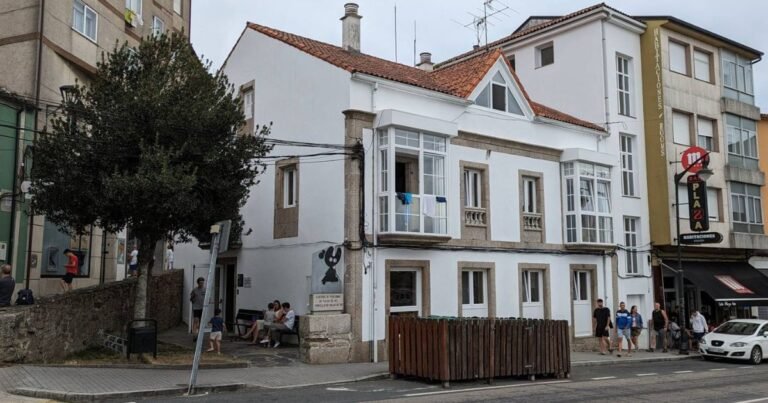
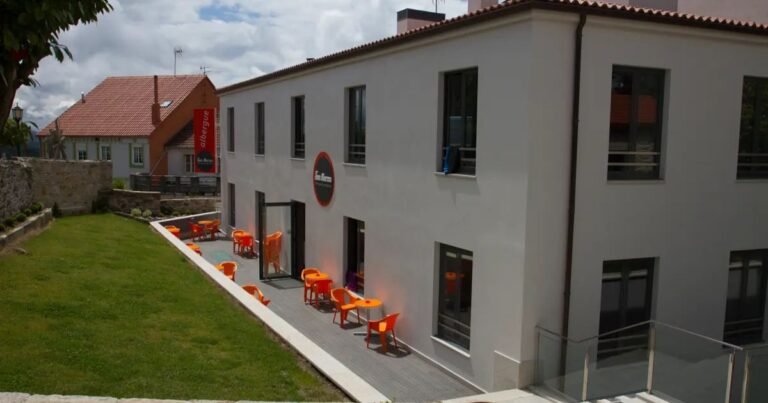
In Palas, pilgrims find public and private hostels, family-run guesthouses, pharmacies, supermarkets, restaurants and all the services needed for rest and physical and spiritual recovery. Local hospitality is proverbial, and many residents keep alive the tradition of welcoming, guiding or even sharing stories with Camino visitors.
What to see in Palas de Rei?
History of Palas de Rei
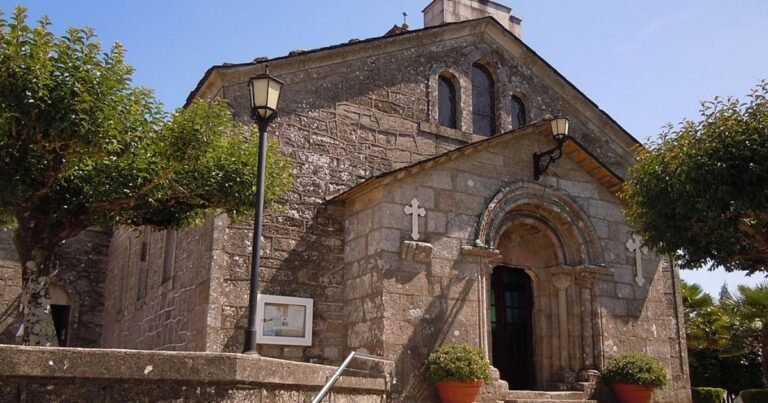
During the Middle Ages, the Romanesque style began to leave its mark on the region, mainly through the influence of the Camino de Santiago, which passed close to this area. This architectural style left a significant imprint on the religious buildings erected at the time. A clear example is the church of Vilar de Donas, regarded as one of the most important landmarks of Galician Romanesque art. This building was declared a historic-artistic monument in 1931, reflecting its great cultural and heritage value. The mural paintings that adorn its interior are considered one of the finest and best-preserved sets to be found anywhere in Galicia.
It is also worth noting that an old route known as “Lucus Augusti” once passed through this area. As early as the 6th century, records show that Palas belonged to the county of “Ulliensis”. The Middle Ages were a period of great prosperity for the town, largely thanks to the Camino de Santiago, which drew large numbers of pilgrims. In fact, the “Codex Calixtinus”, an important medieval document, mentions Palas as one of the compulsory stops for those about to face the final stretches of the Way of St. James, showing the importance of this town in the historical and religious context of the time.
The municipality of Palas de Rey preserves a very rich and varied artistic heritage that reveals the stately, majestic past of this beautiful region. This area holds a great many historic remains, including fortresses, towers, castles, and several buildings known as pazos and coats-of-arms houses that speak of the nobility of earlier times. Among the most important buildings worth mentioning is the old tower-house of Filgueira, notable for its unique architecture. Also notable is the tower-house of Fontecuberta, which, with its striking features, adds to the visual and historical heritage of the area.
Another significant site is the Pazo de Laia, which proudly bears the coat of arms of the Counts of Traba, a lineage that was fundamental to local history. This same lineage also produced the founder of Pambre Castle, which remains an important landmark in the region’s history. There is also the well-known House of Ulloa, where families such as the Saavedras, Montenegros, Gayosos and Dezas are identified by the coats of arms decorating its facade, telling the story of their lineage.
Besides these buildings, other elements enrich the local heritage, including the charming Pazo Mariñao and the famous stronghold of Castro de Seixas, located in the parish of Merlán, which stands witness to the Galician lineage that originated there. Another notable site is the Pazo de Pacheco, which adds further value to this impressive heritage ensemble. Finally, Pambre Castle stands majestically, a fortress built by Don Gonzalo Ozores de Ulloa around the year 1375. This castle played an important role by withstanding the Irmandiño revolt of 1467, making it one of the finest representative examples of Galician military architecture, a testament to the region’s military history.
Palas de Rei also played a crucial role in the Second Carlist War, becoming one of the few municipalities where the 1846 uprising succeeded, giving rise to a Revolutionary Junta seeking significant change. The lands of Palas de Rey have been a source of inspiration for many renowned writers, among them López Ferreiro, Álvaro Cunqueiro and Emilia Pardo Bazán, who found in this landscape and its history a reason to capture the essence of these lands in their work.
Gastronomy of Palas de Rei
The cuisine of this part of Lugo stands out for the authenticity of its produce. Dishes such as pulpo a feira (Galician-style octopus), caldo gallego (Galician broth) and Galician beef are ever-present on pilgrim menus. Artisan bakeries make home-style empanadas and sponge cakes that walkers can take with them for the next day.
The local market, held on Wednesdays, is another unique opportunity to discover local produce: cheeses, cured meats, honey and seasonal fruit. Some restaurants also offer special menus for pilgrims, adapted to their calorie and digestive needs after a day of walking.
Territorial organisation of Palas de Rei
The municipality of Palas de Rei is made up of three hundred and sixty-two population entities organised into forty-three parishes
- Aguas Santas
- Albá (Santiago)
- Ambreixo (San Vicente)
- Berbetoros (San Miguel)
- Cabana (Santiago)
- Camino
- Carballal (San Sebastián)
- Carteire (Santa María)
- Coence (San Mamed)
- Cubelo (San Xoán)
- Cuíña (Santa María)
- Curbián (San Martiño)
- Felpós (Santo Tomé)
- Ferreira
- Filgueira (San Tomé)
- Fontecuberta (Santa Mariña)
- Laya
- Lestedo (Santiago)
- Maceda (San Miguel)
- Marzá (Santa María)
- Mato
- Meixide (San Pedro)
- Merlán (San Salvador)
- Moredo (San Fiz)
- Mosteiro (Santiago)
- Orosa (San Andrés)
- Palas de Rey
- Pambre (San Pedro)
- Pidre (Santa María)
- Puxeda (Santa María)
- Quindimil (San Miguel)
- Ramil (San Martiño)
- Remonde (San Miguel)
- Repostería (San Xusto)
- Riveira
- Salaya (San Pedro)
- Sambreixo (Santa María)
- San Ciprián de Repostería
- San Mamed de Carballal
- San Miguel de Coence
- Ulloa (San Vicente)
- Vilar de Donas (San Salvador)
- Villareda (San Pedro)
Palas de Rei
Palas de Rei is far more than just a stage of the Camino Frances: it is a crossroads of stories, legends, art and hospitality. Every stone of its church, every stretch of its path and every smile of its people form part of a transformative experience. From sunrise over the fields of A Ulloa to dusk among centuries-old oaks, everything in Palas de Rei invites the traveller to pause, breathe and remember.
An essential stop combining rest, culture and spirituality right in the heart of the Camino.
| Country | Spain | |
|---|---|---|
| Autonomous community | Galicia | |
| Province | Province of Lugo | |
| Comarca | Ulloa | |
| Judicial district | Chantada | |
| Location | 42°52′25″N 7°52′10″W | |
| Elevation | 534 m | |
| Area | 199.68 km² | |
| Parishes | 43 | |
| Population | 3,267 (2024) | |
| Density | 17.47/km² | |
| Demonym | palense | |
| Postal code | 27200 | |
| Dialling code | 982 | |
| Patron saint | San Tirso | |
| Website | www.palasderei.org | |