Camino Frances from O Cebreiro: Stages, Distances and How to Prepare
O Cebreiro is the gateway to Galicia on the Camino Frances: a mountain hamlet of stone pallozas and a pre-Romanesque church, sitting at 1,300 metres. Starting here means walking the final 155 kilometres to Santiago in seven stages, roughly a week, entirely through Galicia. You can get there by bus from Lugo or from Pedrafita do Cebreiro, and many pilgrims arrive the evening before to sleep in the albergue and watch the sunrise over the valleys.
From O Cebreiro to Santiago there are 7 stages through rural Galicia: Triacastela, Sarria — where most walkers join the route —, Portomarín, Palas de Rei, Arzúa, O Pedrouzo and the final stretch into Santiago. Since the route covers more than 100 kilometres, stamping your pilgrim credential twice a day from Sarria onward is enough to earn the Compostela. The full Camino Frances, starting in Saint-Jean-Pied-de-Port, is covered in our 34-stage guide.
The 7 Stages of the Camino from O Cebreiro to Santiago de Compostela
Stage 1: O Cebreiro – Triacastela (21.7 km)

Stage 1: O Cebreiro – Triacastela (21.7 km)
Crossing the Galician mountains, this stage offers spectacular scenery and leads pilgrims to Triacastela, where the mountain route ends and the descent toward Santiago begins.
Stage 2: Triacastela – Sarria (18.4 km)

Stage 2: Triacastela – Sarria (18.4 km)
This stage lets pilgrims choose between two routes: one via Samos and its ancient monastery, or the more direct path to Sarria, the starting point for many pilgrims because of the minimum distance required to earn the Compostela.
Stage 3: Sarria – Portomarín (22.4 km)

Stage 3: Sarria – Portomarín (22.4 km)
From Sarria, the Camino runs through rural landscapes and villages to Portomarín, known for its Church of San Nicolás, moved stone by stone when the old village was flooded to build a reservoir.
Stage 4: Portomarín – Palas de Rei (24.8 km)
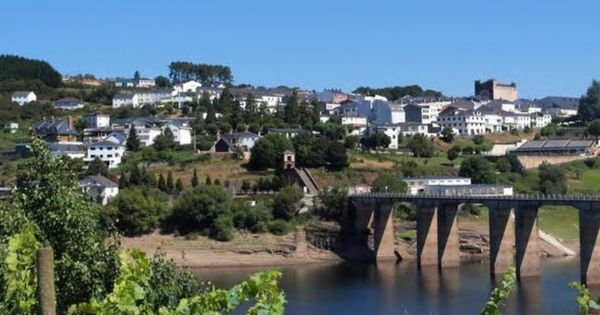
Stage 4: Portomarín – Palas de Rei (24.8 km)
The Camino continues over gentle hills and eucalyptus woods, with the village of Palas de Rei offering a welcoming rest stop before the final stages of the route.
Stage 5: Palas de Rei – Arzúa (28.5 km)

Stage 5: Palas de Rei – Arzúa (28.5 km)
Linking Lugo Province and A Coruña Province, this stage connects with the Camino del Norte and continues through lush, fertile countryside to Arzúa, famous for its local cheese.
Stage 6: Arzúa – O Pedrouzo (19.3 km)
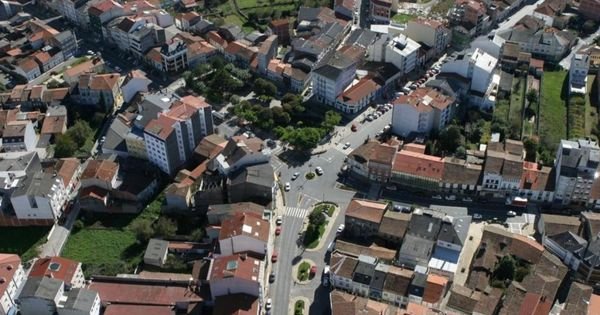
Stage 6: Arzúa – O Pedrouzo (19.3 km)
One of the final stages, passing through woods and meadows to the town of O Pedrouzo, getting pilgrims ready for their arrival in Santiago.

Stage 7: O Pedrouzo – Santiago de Compostela (20 km)
The thrilling end of the Camino Frances, where pilgrims cross Monte do Gozo before reaching Santiago Cathedral in the city of Santiago de Compostela — a culminating moment of celebration and spiritual reflection.
What the Camino from O Cebreiro Is Like, Stage by Stage
The first stage out of O Cebreiro is easy and very scenic: it crosses Alto do Poio, the highest point, then descends through woodland to Triacastela. From there to Sarria there are two options, via Samos and its monastery or via San Xil. From Sarria onward the Camino gets busy — these are the final 100 kilometres, along sunken lanes, oak woods and traditional hórreos, crossing the Belesar reservoir toward Portomarín, Melide with its famous octopus, and the last villages before Monte do Gozo and the cathedral.
O Cebreiro has a public albergue — one of the very first on the whole Camino, dating from 1965 — plus a couple of guesthouses; it’s worth booking ahead in high season, as beds are limited. The pilgrim credential can be picked up beforehand, in Lugo or through a Camino association. The next stage, to Triacastela, covers 21 kilometres, mostly downhill.