Wildfires in Leon: Warning for Pilgrims on the Camino de Santiago
The Castilla y Leon Civil Protection and Emergencies Agency has issued an urgent alert aimed at the thousands of pilgrims currently walking the Camino de Santiago. The agency is requesting the immediate suspension of the route through Leon Province, due to the serious situation caused by wildfires still active in several parts of the region.
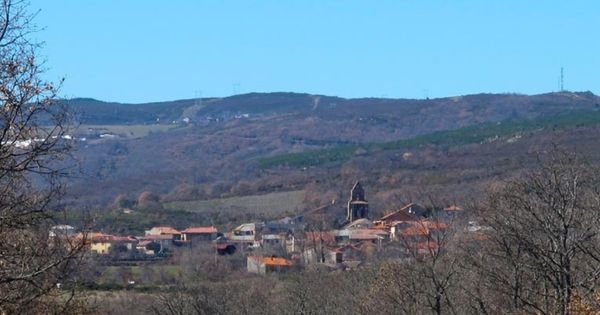
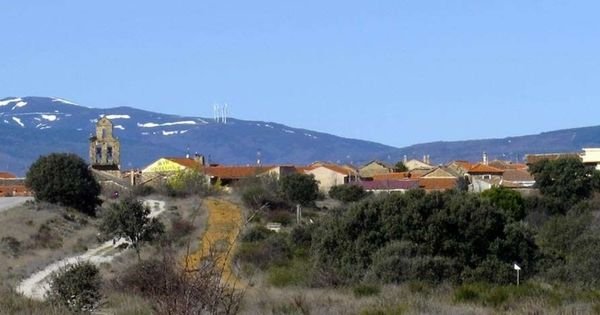
The warning particularly highlights the danger on the stretch connecting Astorga, Ponferrada and Bembibre, where the fires have created a high-risk environment not only because of the flames, but also due to smoke and airborne pollutants.
Critical Areas of the Camino de Santiago Affected by the Fires
The fires advancing through Leon Province call for extreme caution at several strategic points along the Jacobean route. Authorities highlight the following main hotspots:
- Astorga – Ponferrada: one of the busiest stretches, currently exposed to the spreading fire.
- Ponferrada – Bembibre: area on alert due to the proximity of several active fire fronts.
- Zamora and Salamanca Provinces: also affected by air pollution caused by the smoke.
The danger is not limited to the flames; it is compounded by deteriorating air quality across much of the north-western Iberian Peninsula, extending as far as Galicia and northern Portugal.
Consequences for Pilgrims and Residents
The situation affects both pilgrims and travellers as well as local communities:
- Direct risk to life: possible entrapment, smoke inhalation and exposure to high temperatures.
- Polluted air: airborne particles that especially affect people with respiratory conditions, children and the elderly.
- Route disruption: suspension of rural accommodation and limited services in towns near the fires.
- Environmental impact: loss of biodiversity and damage to historic landscapes along the Camino de Santiago.
Official Recommendations for Those Walking the Camino
Authorities recommend that all pilgrims and travellers strictly follow these preventive measures:
- Suspend the route through Leon until further notice.
- Follow official instructions issued by Civil Protection and security forces.
- Avoid prolonged exposure outdoors, especially in the provinces of Leon, Zamora and Salamanca.
- Wear FFP2 masks to minimise inhalation of polluting particles.
- Check safe alternative routes provided by Jacobean information centres.
🚨Aviso de Agencia de Protección Civil y Emergencias de @jcyl
— 112 Castilla y León (@112cyl) August 17, 2025
A todos los peregrinos que realizan el #CaminoDeSantiago 🚵♀️🚶♂️a su paso por el sector #Astorga #Ponferrada #Bembibre #Bierzo
🚫NO CONTINÚE LA RUTA
👉Siga instrucciones de autoridades
Air Quality: The Impact of Smoke on the Region
The fires are not only affecting Castilla y Leon. The smoke has crossed regional and national borders, impacting:
- Galicia: inland areas with elevated pollution levels.
- Castilla y Leon: the provinces of Leon, Zamora and Salamanca in a critical state.
- Northern Portugal: communities affected by the spread of particulate matter.
The phenomenon is producing a toxic cloud that, according to experts, may increase asthma attacks, eye irritation and cardiovascular problems in vulnerable people.
Camino de Santiago: Safe Alternatives Amid the Crisis
Although the situation in Leon Province is forcing many pilgrims to halt their progress, there are alternatives for those who don’t want to completely interrupt their journey:
- Safe routes in eastern Galicia, especially in Lugo and Ourense, currently free of active fires.
- Detours to stages in Castilla, in areas unaffected by the fires.
- Urban routes in cities such as Astorga and Ponferrada, which keep cultural sites open to tourists.
Caution and Compliance With Official Guidance
As wildfires continue to spread through Leon Province, the authorities stress the importance of prioritising personal and collective safety. The Camino de Santiago is a unique experience, but at this time it is essential to respect the restrictions and follow the instructions given by emergency teams.
Protecting pilgrims, public health and the preservation of natural heritage must take precedence over any planned itinerary.
See also: