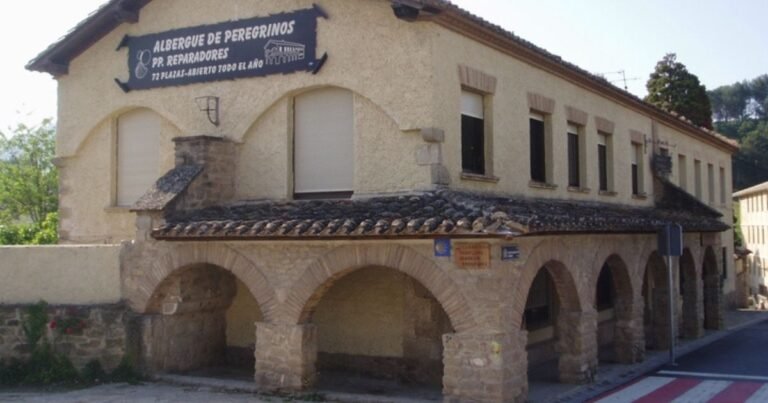
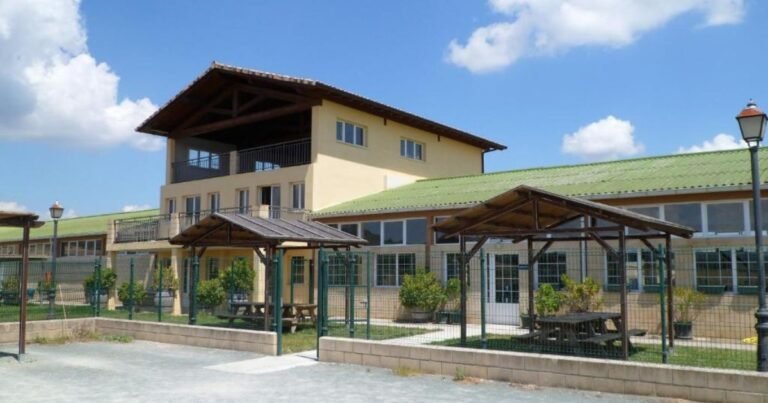

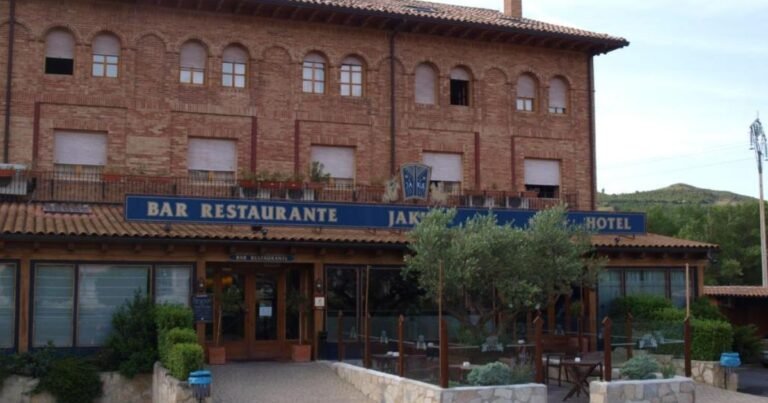


Puente la Reina is also a key junction on the pilgrim route: here the two roads coming from France, the one from Roncesvalles and the one from the Somport, already travel together, and from this point a single route leads to the Cathedral of Santiago in Santiago de Compostela.
What to see in Puente la Reina?


Why it is called Puente la Reina
The traditional explanation lies in its great Romanesque bridge over the Arga, built in the 11th century by a queen of Navarra whose name the documents do not record. She is usually thought to be Muniadona of Castile, wife of Sancho the Great, or Estefanía, wife of García of Nájera.
Not all scholars accept that version. The historian José María Jimeno Jurio argued that the name came from an old «Pons Rune», the bridge over the Runa, the early name of the Arga river, related to Iruña, the Basque form of Pamplona; over time «Rune» would have been confused with «reina», queen.
The Basque name: Gares
The Basque name, Gares, fell out of use as Basque disappeared from the area at the end of the 19th century. It survived mainly in the writings of the 17th-century historian José de Moret and in a few local place names, such as Garesbidea, «the road to Gares», in neighbouring Uterga; some residents probably still used it in speech in the early 20th century. It was revived in the second half of the last century and is now official. Its meaning remains a mystery, although some link it to gari, «wheat», and translate it as «land of wheat fields».
What are the locals called?
In Spanish they are puentesinos (masculine) and puentesinas (feminine); in Basque, garestarrak (singular garestarra).
Where Puente la Reina is
The town lies in the centre of the Chartered Community of Navarre, south of the Sierra del Perdón, in the Valdizarbe valley and at just 344 metres above sea level, on an open plain on the banks of the Arga.
Its municipal area covers almost 40 square kilometres and borders Belascoáin and Zabalza to the north, Mendigorría to the south, Guirguillano, Mañeru and Artazu to the west, and Obanos and Legarda to the east.
Puente la Reina facts
| Country | Spain | |
|---|---|---|
| Autonomous community | Navarra | |
| Province | Navarra | |
| Merindad | Pamplona | |
| County | Puente la Reina | |
| Judicial district | Pamplona/Iruña | |
| Association | Valdizarbe | |
| Location | 42°41′31″N 1°49′01″O | |
| Elevation | 344 m | |
| Area | 39.7 km² | |
| Population | 2,805 (2023) | |
| Density | 70.65 per km² | |
| Demonym | puentesino, puentesina / (eus.) garestarra | |
| Predominant language | Mixed zone | |
| Postal code | 31100 | |
| Phone prefix | 948 | |
| Mayor (2023) | Itziar Imaz Artázcoz (EH Bildu) | |
| Website | www.puentelareina-gares.es | |