

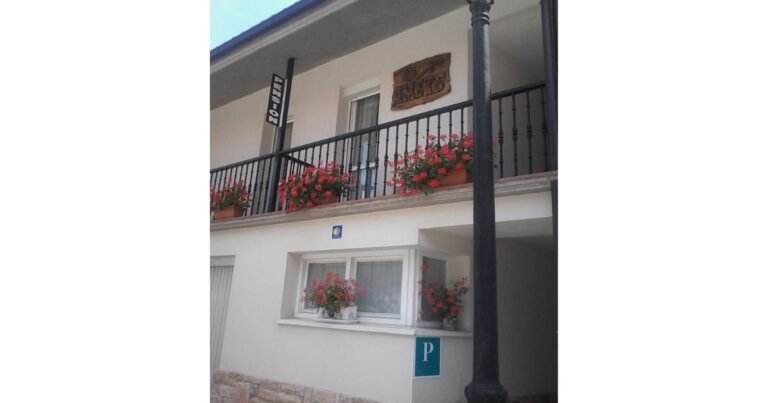


What to see in Zubiri?

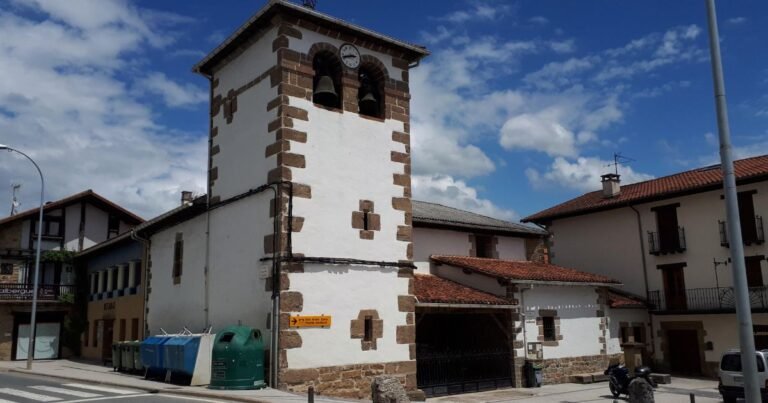
What Zubiri means
The name is transparent to anyone who knows some Basque: zubi is “bridge” and iri “village”, so Zubiri is literally the village of the bridge, after the Puente de la Rabia that crosses the Arga at its entrance.
In the early Middle Ages the place had another name: Saint Eulogius, in one of his 9th-century letters, speaks of Seburis, which some documents latinise as Seburrium.
Today, besides being the valley’s administrative centre, Zubiri is an industrial village: on the way out stands the Magnesitas Navarras (MAGNA) plant, which processes magnesite ore and employs much of the district.
The Esteríbar valley
Zubiri lies in the centre of the Esteríbar valley, at 526 metres, on the right bank of the river Arga and at the foot of Mount Murelu (650 m) and the Alto de Erro. It is about 20 kilometres from Pamplona, the capital of Navarra. Its position is no accident: in Roman times the roads up to the Pyrenean passes of Ibañeta and Dantxarinea separated here.
History of Zubiri
There is thought to have been a leper house nearby, and the Puente de la Rabia, built by the villagers themselves, is documented from the 11th century.
In the Middle Ages there was a Benedictine monastery that came under Leyre through a donation by King García of Nájera in 1040. Earlier, in the 9th century, Saint Eulogius had already mentioned in the account of his journey a monastery of San Zacarías in the area, whose location is unknown today.
Among 11th-century pilgrims there was a belief that relics of Saint Quiteria, the saint invoked against rabies, were kept in the piers of the bridge; hence the custom of walking livestock around them.
Centuries later, in the Carlist Wars, the bridge became strategic again: it was one of the crossings defended by the troops of Tomás de Zumalácarregui.