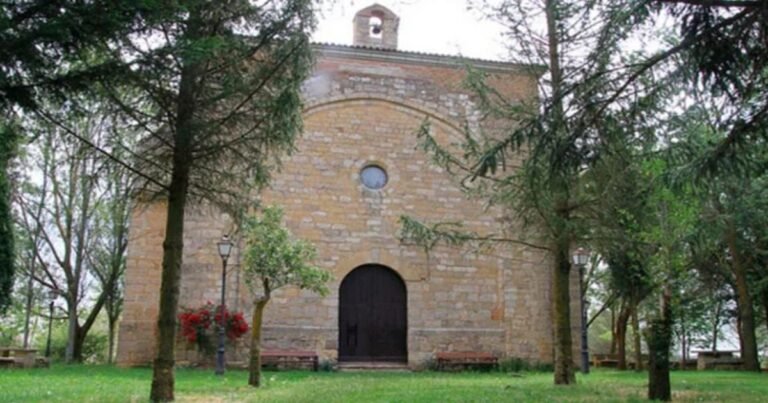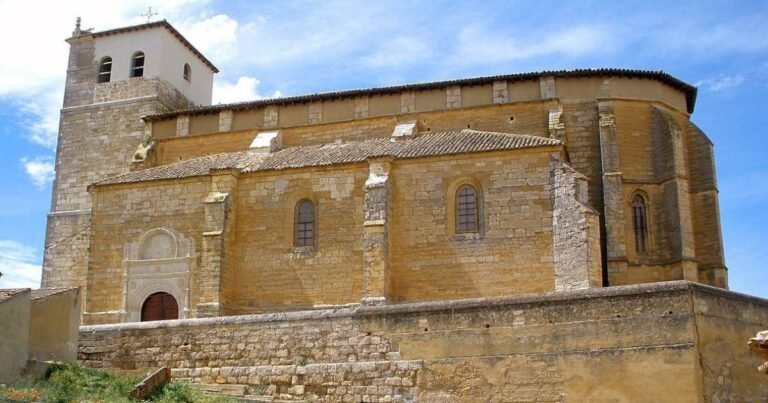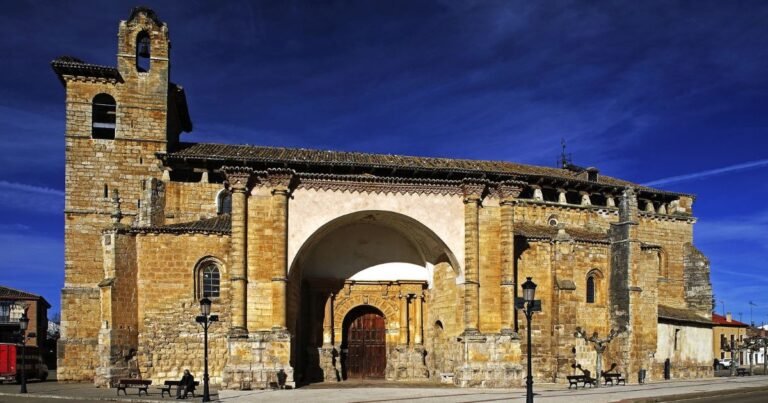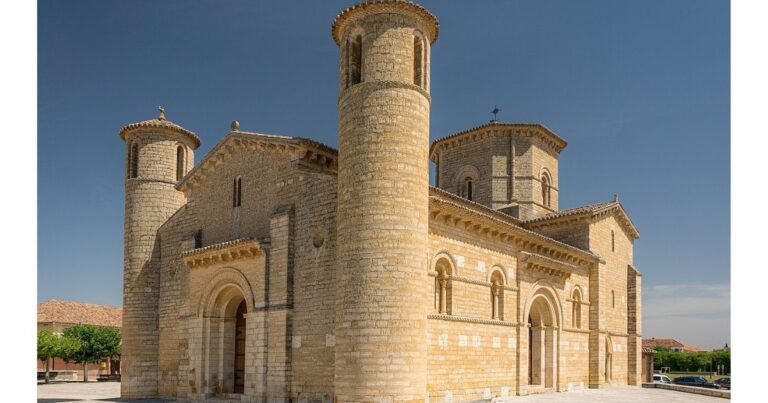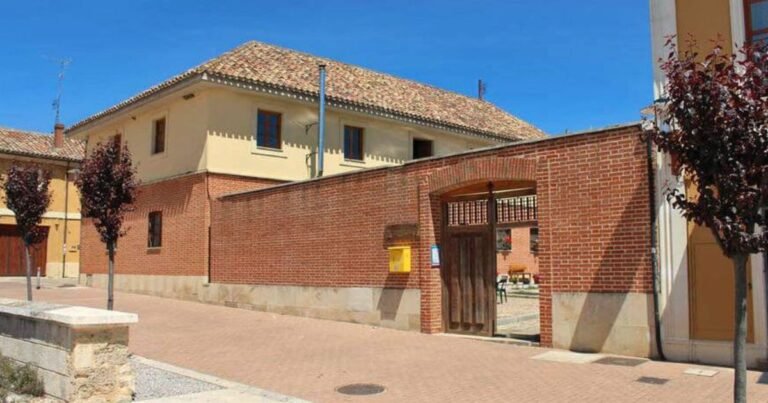
Frómista
Frómista, nestled in the Tierra de Campos region within the Provincia de Palencia, Castile and León, is a town renowned for its historical, architectural and cultural richness. Strategically located on the Camino Frances, this village offers visitors a journey through time via its Romanesque monuments, age-old traditions, and landscapes that have witnessed centuries of history.
Hostels in Frómista
Frómista on the Camino de Santiago
The location of Frómista on the Camino Frances makes it an essential stop for pilgrims seeking not only rest, but also spiritual and cultural enrichment. The confluence of historical heritage, living traditions and the hospitality of its inhabitants make this village a place where past and present meet, offering a unique experience to every visitor.
What to see in Frómista?
History of Frómista
Frómista in the Middle Ages
During the Middle Ages, Frómista experienced a period of great splendour and growth that would lay the foundations for its future history. It is said that around the year 1066, an important event took place, as recorded in the will of Queen Doña Mayor, which was fundamental to the development of this place. It was during this period that the Monastery of San Martín was founded, accompanied by its magnificent Romanesque-style church, reflecting the spirituality and devotion of that era. This monastery quickly became a vital centre for the religious and cultural life of Frómista.
Later, in the year 1118, Queen Doña Urraca, who was the owner of the monastery, decided to make a highly significant donation. In this act, she handed over the monastery and its jurisdictional rights to the Benedictine monks of Carrión de los Condes, who began to operate and manage the monastic activities in the region. This donation is a clear example of the power and influence the monarchy held at the time, as well as the important role monasteries played in the daily life of medieval communities.
From the 12th to the 15th century, Frómista was characterised by being divided into two very different jurisdictions. On one hand, there was the ecclesiastical lordship, led by the Abbot of Carrión, which covered the San Martín quarter. On the other hand, there was the civil lordship, governed by the nobles of Frómista, who held authority over the rest of the town. Among these nobles, one notable figure was Gómez Benavides, recognised for his efforts to unify the two jurisdictions. In 1427, he succeeded in adding the San Martín quarter to his lordship, thereby consolidating his power in the region. Furthermore, in 1436, he founded the Monastery of Nuestra Señora de la Misericordia, which was also inhabited by Benedictine monks and became an important spiritual centre.
At the end of the Middle Ages, during the reign of the Catholic Monarchs, a work of art was created that became essential to the cultural heritage of Frómista. This work is the altarpiece of the church of Nuestra Señora del Castillo, a piece that highlights the artistic and architectural richness of the town. The masterpieces of medieval art found in Frómista, together with the hospitals established to care for pilgrims, are the result of the influence of the Camino Frances. This remarkable cultural and spiritual route connects Spain with the rest of Christian Western Europe, fostering the development of hostels and other support structures for those undertaking this important journey of faith.
In medieval Frómista, three elements can also be seen that greatly contributed to giving the town fame and recognition: San Telmo, the miracles attributed to him, and the presence of the Jewish community in the area. These aspects have left an indelible mark on the history and culture of Frómista, ensuring that its legacy endures to this day.
Pedro González Telmo (1185-1246)
Pedro González Telmo, who lived between 1185 and 1246, is known today as San Telmo. He is recognised as a highly important figure in 13th-century history, and many people invoke him as the patron saint of those who live and work at sea. This is due to his dedication and the devotion he has inspired among sailors and fishermen throughout the centuries.
Telmo was the nephew of the Bishop of Palencia. Thanks to his uncle’s influence, he felt drawn towards religious life and began studying to become a member of the church. His dedication and commitment to ecclesiastical studies allowed him to rise within the church hierarchy. In time, he was appointed canon, a position of importance within the church. When the office of dean fell vacant, his talent and good reputation led to his promotion to this post by the Pope, echoing his uncle’s recommendations. This demonstrates not only his ability and dedication, but also the influential role his family played in his religious career.
Frómista in the 16th and 17th centuries
The sixteenth and seventeenth centuries were periods that, compared to the Middle Ages, seem to be times of decline and deterioration. During these years, the manorial regime weighed very heavily on towns and villages, generating great discontent among the population. Because of this difficult situation, it is not surprising that many of the people living in Tierra de Campos showed a certain affinity for the Comunero movement, which sought to reclaim rights and improve living conditions. However, it is important to note that the Comunero army, although it had the support of some, became a heavy burden wherever it went, as it often stripped towns of their resources.
In 1521, when this army passed through the town of Frómista, the townspeople were forced to pay a sum of 250 gold ducats, simply to protect themselves from the looting and devastation that came with it. This tense situation was aggravated by other factors, such as the expulsion of the Jews, various epidemics and other disasters that, together, accelerated the decline and decay of the town of Frómista.
By around 1591, during the reign of Philip II, the situation in Frómista had worsened considerably. The population at that time was only 521 residents, roughly half the number of inhabitants it had had a hundred years earlier. This population decline reflected not only the lack of security and well-being, but also the impact of the social and economic crises affecting the region. Moving into the mid-eighteenth century, the situation continued to deteriorate, and the population fell even further, to just 217 residents.
As for the local economy, it also faced serious problems. There were no industries generating employment, and commercial activity was practically non-existent. Agriculture, based solely on rain-fed crops, proved to be very unproductive and failed to meet the population’s needs. In addition, the scarcity of trees was notable, making the production of timber and other natural resources difficult. Many homes in Frómista were in poor condition, and it is estimated that one in five houses was in ruins, evidencing the great deterioration and neglect the town suffered at that time.
Frómista in the 18th to 20th centuries
The situation at this point is truly bleak, but it begins to change notably when, towards the end of the eighteenth century, construction of the famous Canal de Castilla begins. This important canal, which plays a key role in the navigation and economy of the region, reaches Frómista in 1773. During this stage, five locks are built, four of which are connected via the largest waterfall to be found along the entire local waterway. The arrival of the Canal de Castilla represents a moderate but significant boost to the local economy, as it facilitates irrigation, improves the transport of goods, and encourages the emergence of flour mills, thereby energising the area’s economic activity.
At the beginning of the constitutional period in Spain, which began in 1833, the town of Frómista was established as a municipality within the judicial district of Carrión de los Condes. According to the census carried out in 1842, the municipality had a total of 44 households and a population of approximately 1,482 residents, reflecting the beginnings of administrative organisation and social development in the area.
During the first half of the nineteenth century, the population of Frómista grew, stabilising at around 1,500 inhabitants. In 1865, another significant event occurred with the arrival of the Northern Railway to the town. This advance represented a new opportunity for the town, although unfortunately, perhaps due to the difficult economic situation affecting the whole region at the time, this new resource was not fully exploited.
Throughout the twentieth century, Frómista faced various challenges and crises that seriously affected the whole of rural Spain. Despite the difficulties, the current population of Frómista stands at around 1,000 inhabitants. However, there are still reasons to remain hopeful, especially considering the two paths bequeathed by history. One of these is the famous Camino de Santiago, which makes Frómista an essential stop for all those who appreciate culture and history. The other is the Canal de Castilla, with its irrigation channels designed for new irrigation systems, offering possibilities for more intensive and diversified agriculture, providing better production prospects and contributing to the economic revitalisation of the area.
Frómista
Frómista is, without a doubt, a destination that encapsulates the essence of the Romanesque style, tradition and spirituality of the Camino Frances. Its rich heritage and culture make it an essential place for those wishing to delve deeper into the history and art of Castile and León.
| Country | Spain | |
|---|---|---|
| Autonomous community | Castile and León | |
| Province | Provincia de Palencia | |
| Judicial district | Palencia | |
| Location | 42°16′02″N 4°24′24″O | |
| Altitude | 780 m | |
| Area | 46.59 km² | |
| Population | 755 inhabitants (2023) | |
| Density | 16.96 inhab./km² | |
| Demonym | fromisteño, fromisteña | |
| Patron saint | San Telmo | |
| Postal code | 34440 | |
| Website | www.fromista.com | |