The Main Cities on the Camino de Santiago Frances
The main cities and towns on the Camino de Santiago Frances:
Saint-Jean-Pied-de-Port: The traditional starting point for pilgrims beginning the Camino from France, Saint-Jean-Pied-de-Port is a picturesque town at the foot of the Pyrenees. Its medieval atmosphere, cobbled streets and the Porte Saint-Jacques (declared a UNESCO World Heritage Site)
Roncesvalles
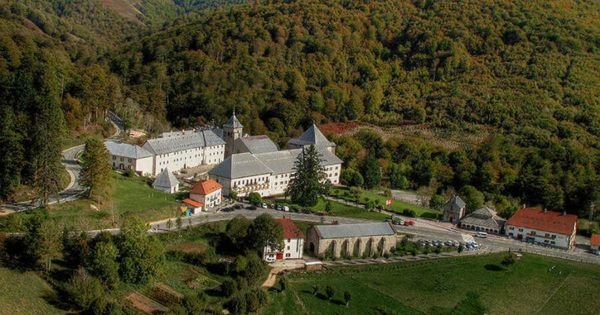
Roncesvalles: the first major landmark in Spain. Known for its historic Real Colegiata, it is a place full of symbolism for pilgrims, marking the crossing of the Pyrenees and the start of the road into the lands of Navarra. Here, history and devotion fill the air.
Pamplona

Pamplona is the capital of Navarra and one of the most iconic cities on the Camino. Famous for the Sanfermines, its Gothic cathedral and its lively squares, Pamplona is a place where pilgrims can immerse themselves in local culture, enjoy Navarrese cuisine and explore its old town.
Logrono

Logrono is the capital of La Rioja, and is known for its excellent wines and rich cuisine. Pilgrims passing through the city can sample pintxos on the famous Calle Laurel, as well as visit the Concatedral de Santa Maria de la Redonda.
Burgos: Notable for its imposing Burgos Cathedral, a jewel of European Gothic architecture that has been declared a World Heritage Site. This city offers pilgrims a deep connection with Spain’s medieval history, while also providing modern services for visitors.
Leon: In Leon, pilgrims find a city blending the old with the new. Leon Cathedral, famous for its stained-glass windows, the Basilica de San Isidoro, and the Monastery of San Marcos are essential stops. The city is also known for its lively Barrio Humedo, full of bars and restaurants for enjoying tapas.
Astorga: Famous for the Episcopal Palace, designed by Antoni Gaudi, and for its imposing cathedral. The city is a meeting point for pilgrims arriving from different routes, and its Roman legacy adds a special touch to the Camino experience.
Ponferrada: The capital of the El Bierzo region, home to the historic Ponferrada Castle, a fortress that once protected pilgrims. It is a place where the history of the Templar order blends with the tradition of pilgrimage.
O Cebreiro: An iconic Galician village, O Cebreiro is known for its ancient pallozas (thatched stone huts) and the legend of the Eucharistic Miracle. Its mountain setting offers spectacular views and a profound sense of spirituality.
Sarria: Many pilgrims begin here to complete the final 100 kilometres required to obtain the Compostela, the certificate of pilgrimage.
Santiago de Compostela: The final destination for all pilgrims, Santiago de Compostela is a city that combines history, art and devotion. The majestic Santiago Cathedral holds the remains of the Apostle Saint James, and the Plaza del Obradoiro is where pilgrims celebrate the end of their journey. The city, beyond its spirituality, is vibrant and full of cultural life.