León to Santiago de Compostela: Stages, Distances and How to Prepare
After Sarria, León is the most popular starting point for pilgrims who don’t have time for the entire Camino Frances: about 310 kilometres to Santiago, roughly two weeks on foot. The city is very well connected — high-speed rail to Madrid, buses, an airport — and its Gothic cathedral, home to the finest stained glass in Spain, sits right on the Camino. Starting here covers the final third of the route, the most varied in scenery, with enough time to reach Santiago in around fifteen days.
From León to Santiago there are 13 stages: the Maragatería region and Astorga, the Montes de León with the Cruz de Ferro, the Bierzo, the tough climb to O Cebreiro, and the final stretch through Galicia. With the pilgrim credential — one stamp a day, and two in the last 100 kilometres from Sarria — you earn the Compostela. The complete Camino Frances, from Saint-Jean-Pied-de-Port, is covered in our guide to all 34 stages.
The 13 Stages of the Camino from León to Santiago de Compostela
Stage 1: León – Hospital de Órbigo (30.6 km)

Stage 1: León – Hospital de Órbigo (30.6 km)
Leaving León behind, pilgrims cross the Roman bridge at Hospital de Órbigo, one of the longest and best-preserved of its kind in Spain.
Stage 2: Hospital de Órbigo – Astorga (16.7 km)

Stage 2: Hospital de Órbigo – Astorga (16.7 km)
This short but rewarding stage ends in Astorga, where you can visit the cathedral and the famous Episcopal Palace designed by Antoni Gaudí.
Stage 3: Astorga – Rabanal del Camino (21.2 km)

Stage 3: Astorga – Rabanal del Camino (21.2 km)
The route starts to climb gently, approaching the mountains of León Province. Rabanal del Camino is a traditional village that serves as a resting point before the more demanding mountain stages.
Stage 4: Rabanal del Camino – Ponferrada (35.2 km)
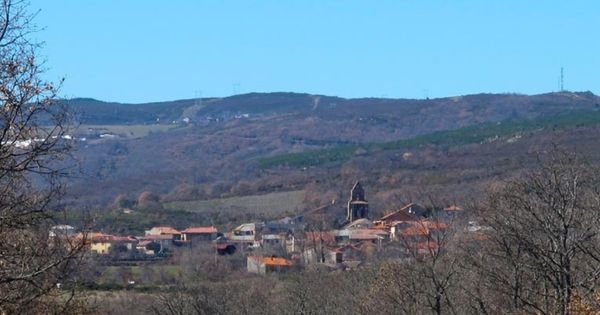
Stage 4: Rabanal del Camino – Ponferrada (35.2 km)
This is one of the most challenging yet most spectacular stretches, crossing the Cruz de Ferro, a landmark where pilgrims traditionally leave a stone brought from home. The stage ends in Ponferrada, famous for its Templar Castle.

Stage 5: Ponferrada – Villafranca del Bierzo (24.2 km)
This stretch offers stunning views of the Bierzo vineyards and ends in Villafranca del Bierzo, a place of historic significance for pilgrims too weak to continue to the Cathedral of Santiago.
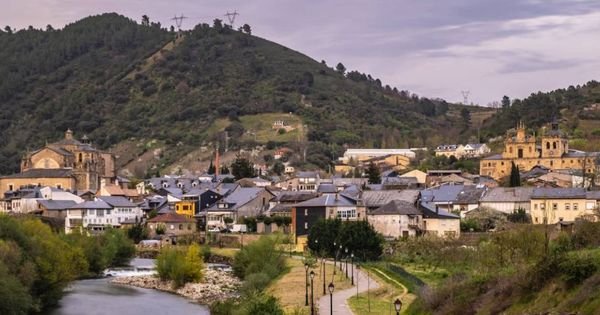
Stage 6: Villafranca del Bierzo – O Cebreiro (27.8 km)
Climbing from the Bierzo into Galicia, this stage marks a shift in landscape and culture, culminating in the mystical village of O Cebreiro, famous for its church and traditional pallozas (round thatched stone huts).
Stage 7: O Cebreiro – Triacastela (21.7 km)

Stage 7: O Cebreiro – Triacastela (21.7 km)
Crossing the Galician mountains, this stage offers spectacular scenery and brings pilgrims to Triacastela, where the mountainous route ends and the descent toward Santiago begins.
Stage 8: Triacastela – Sarria (18.4 km)

Stage 8: Triacastela – Sarria (18.4 km)
This stage lets pilgrims choose between two routes: one passing through Samos and its ancient monastery, or the more direct path to Sarria, the starting point for many pilgrims because of the minimum distance required to earn the Compostela.
Stage 9: Sarria – Portomarín (22.4 km)

Stage 9: Sarria – Portomarín (22.4 km)
From Sarria, the Camino winds through rural landscapes and small villages to Portomarín, known for its Church of San Nicolás, moved stone by stone when the old village was flooded to build a reservoir.
Stage 10: Portomarín – Palas de Rei (24.8 km)
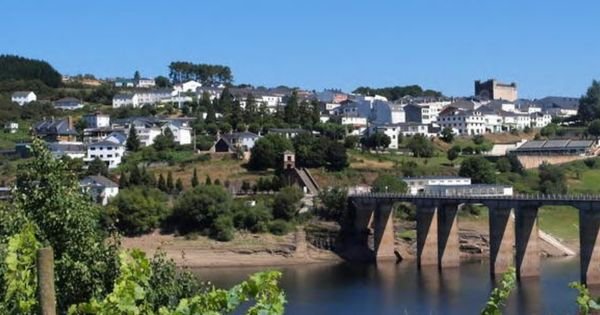
Stage 10: Portomarín – Palas de Rei (24.8 km)
The Camino continues through gentle hills and eucalyptus woods, with the village of Palas de Rei offering a welcoming rest stop before the final stages of the route.
Stage 11: Palas de Rei – Arzúa (28.5 km)

Stage 11: Palas de Rei – Arzúa (28.5 km)
Linking Lugo Province and A Coruña Province, this stage connects with the Camino del Norte and continues through lush, fertile countryside to Arzúa, famous for its local cheese.
Stage 12: Arzúa – O Pedrouzo (19.3 km)
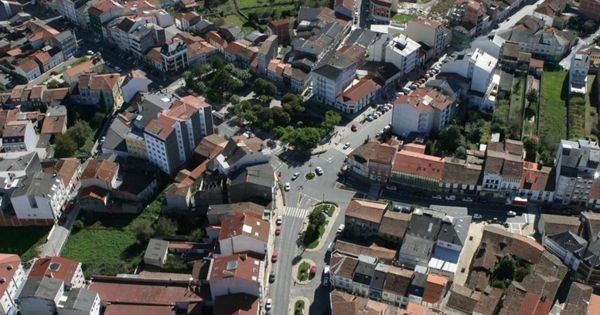
Stage 12: Arzúa – O Pedrouzo (19.3 km)
One of the final stages, passing through woods and meadows to the town of O Pedrouzo, preparing pilgrims for their arrival in Santiago.

Stage 13: O Pedrouzo – Santiago de Compostela (20 km)
The thrilling end of the Camino Frances, where pilgrims cross Monte do Gozo before reaching the Cathedral of Santiago in the city of Santiago de Compostela, a culminating moment of celebration and spiritual reflection.
What the Camino from León Is Like, Stage by Stage
The first few days from León are transitional: Hospital de Órbigo, with its long medieval bridge, and Astorga, with its cathedral and Gaudí’s palace. From there the Camino turns mountainous: Rabanal del Camino, the Cruz de Ferro, the descent to Ponferrada, and the crossing of the Bierzo through vineyards to Villafranca. The climb to O Cebreiro, already in Galicia, is the last mountain pass; after that come five stages through corredoiras (traditional sunken lanes) and villages — Triacastela, Sarria, Portomarín, Palas de Rei, Arzúa — all the way to Santiago.
León has several hostels — the Benedictinas hostel is one of the best known on the Camino — a train station, and every service you need to prepare for departure; the pilgrim credential is available at several of its hostels and parish churches. The first stage to Hospital de Órbigo is about 30 fairly flat kilometres, a long day to start with.