Burgos to Santiago de Compostela: Stages, Distances & How to Prepare
Burgos is one of the classic starting points for walking the second half of the Camino Frances: around 490 kilometres to Santiago, just over three weeks on foot. The city has a train station, a bus station and an airport with domestic flights, and the Camino Frances passes right in front of its UNESCO World Heritage cathedral. Starting here means tackling the Meseta from day one and following it straight into the mountains of León and Galicia.
From Burgos to Santiago de Compostela is 22 stages, crossing first the grain plains of Burgos and Palencia, then León and the Maragatería, the Bierzo and the mountains of Galicia. With your pilgrim credential stamped daily — twice a day over the last 100 kilometres, from Sarria onward — you qualify for the Compostela. If you’d rather walk the complete Camino Frances from Saint-Jean-Pied-de-Port, see our guide to all 34 stages.
The 22 Stages from Burgos to Santiago de Compostela
Stage 1: Burgos – Hornillos del Camino (19.8 km)
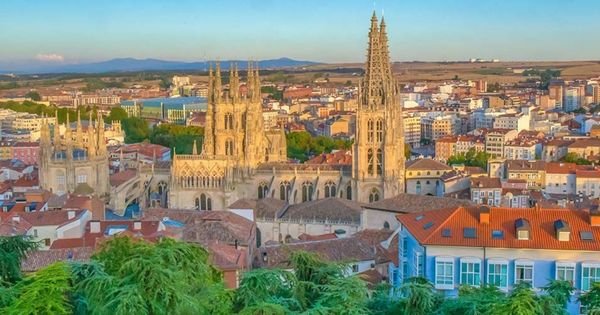
Stage 1: Burgos – Hornillos del Camino (19.8 km)
Leaving Burgos, the Camino enters the vast plains of the Meseta Central on the way to Hornillos del Camino. This stage offers a very different landscape and experience, marked by open fields and wide horizons.
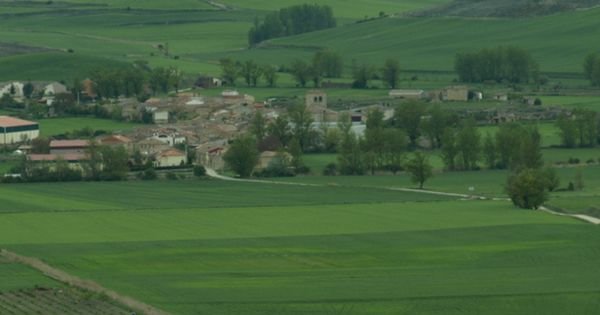
Stage 2: Hornillos del Camino – Castrojeriz (20.6 km)
Continuing across the Meseta, this stage offers quiet and a chance for introspection, with the village of Castrojeriz standing out for its impressive hilltop castle.
Stage 3: Castrojeriz – Frómista (25.4 km)

Stage 3: Castrojeriz – Frómista (25.4 km)
This stage brings pilgrims to Frómista, known for the Church of San Martín, one of the finest examples of Romanesque architecture in Spain.

Stage 4: Frómista – Carrión de los Condes (19.6 km)
The route follows the Canal de Castilla, a change of scenery that offers a calm, flat path to Carrión de los Condes, famous for its monastery and its long tradition of welcoming pilgrims.
Stage 5: Carrión de los Condes – Ledigos (23.4 km)
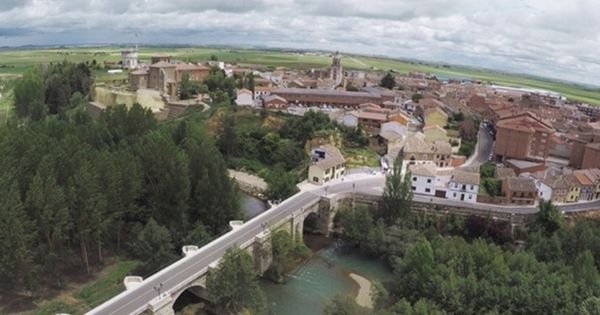
Stage 5: Carrión de los Condes – Ledigos (23.4 km)
A quiet stage along rural tracks and farm paths, taking pilgrims through small hamlets and the vast plain of the Tierra de Campos to Ledigos.
Stage 6: Ledigos – Sahagún (16.2 km)

Stage 6: Ledigos – Sahagún (16.2 km)
Approaching Sahagún, the Camino passes through the heart of the Tierra de Campos, known for its farmland and its deep historical and spiritual significance on the Camino de Santiago.
Stage 7: Sahagún – El Burgo Ranero (17.8 km)
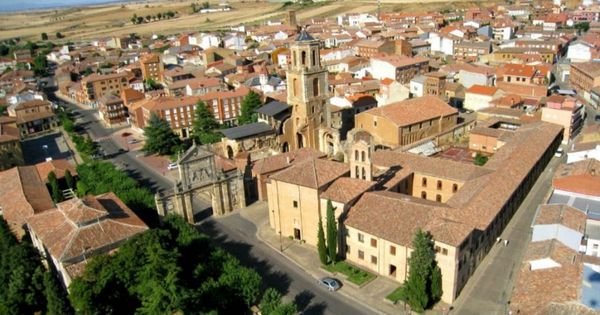
Stage 7: Sahagún – El Burgo Ranero (17.8 km)
This quiet stage crosses the Tierra de Campos and is known for its wide horizons and cultivated fields. El Burgo Ranero is a small village offering essential services for pilgrims and a rest at its municipal albergue.

Stage 8: El Burgo Ranero – Mansilla de las Mulas (18.8 km)
Following rural tracks between cultivated fields, this stage takes pilgrims to Mansilla de las Mulas, a village with notable historic heritage, including the remains of its medieval walls.
Stage 9: Mansilla de las Mulas – León (19.7 km)

Stage 9: Mansilla de las Mulas – León (19.7 km)
The stage ends in the city of León, a major landmark on the Camino with its striking Gothic cathedral and other historic monuments essential to understanding the route’s rich history.
Stage 10: León – Hospital de Órbigo (30.6 km)

Stage 10: León – Hospital de Órbigo (30.6 km)
Leaving León behind, pilgrims cross the Roman bridge at Hospital de Órbigo, one of the longest and best-preserved of its kind in Spain.
Stage 11: Hospital de Órbigo – Astorga (16.7 km)

Stage 11: Hospital de Órbigo – Astorga (16.7 km)
This short but meaningful stage ends in Astorga, where you can visit the cathedral and the famous Episcopal Palace designed by Antoni Gaudí.
Stage 12: Astorga – Rabanal del Camino (21.2 km)

Stage 12: Astorga – Rabanal del Camino (21.2 km)
The route starts to climb gently as it nears the mountains of the León Province. Rabanal del Camino is a traditional village that serves as a resting point before the more demanding mountain stages ahead.
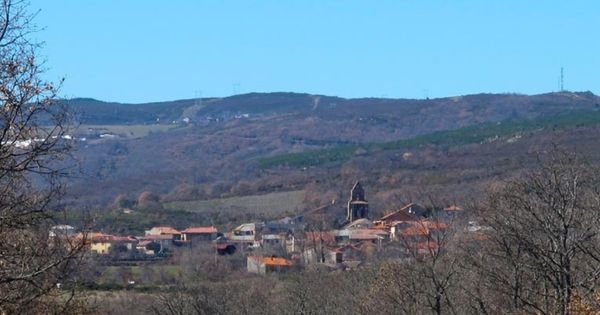
Stage 13: Rabanal del Camino – Ponferrada (35.2 km)
This is one of the most challenging yet most spectacular stretches, crossing the Cruz de Ferro, an iconic spot where pilgrims traditionally leave a stone brought from home. The stage ends in Ponferrada, famous for its Templar castle.

Stage 14: Ponferrada – Villafranca del Bierzo (24.2 km)
This part of the Camino offers striking views over the vineyards of the Bierzo and ends in Villafranca del Bierzo, a place of historic significance for pilgrims who were unable to continue on to the Cathedral of Santiago.
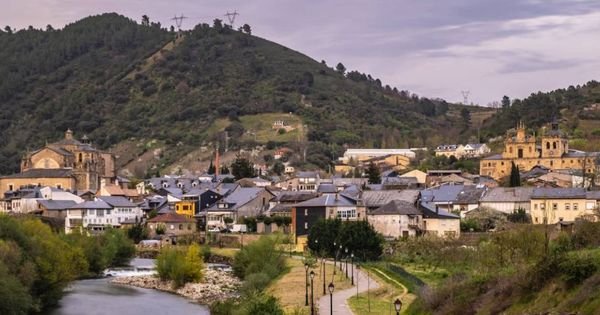
Stage 15: Villafranca del Bierzo – O Cebreiro (27.8 km)
Climbing out of the Bierzo into Galicia, this stage marks a shift in landscape and culture, ending in the mystical village of O Cebreiro, known for its church and its traditional stone pallozas.
Stage 16: O Cebreiro – Triacastela (21.7 km)

Stage 16: O Cebreiro – Triacastela (21.7 km)
Crossing the Galician mountains, this stage offers spectacular scenery and brings pilgrims to Triacastela, where the mountain route ends and the descent toward Santiago begins.
Stage 17: Triacastela – Sarria (18.4 km)

Stage 17: Triacastela – Sarria (18.4 km)
This stage lets pilgrims choose between two routes: one passing through Samos and its ancient monastery, or the more direct path to Sarria, the starting point for many pilgrims because of the minimum distance required to earn the Compostela.
Stage 18: Sarria – Portomarín (22.4 km)

Stage 18: Sarria – Portomarín (22.4 km)
Desde Sarria, the Camino runs through rural landscapes and small hamlets to Portomarín, known for its Church of San Nicolás, moved stone by stone when the old village was flooded to build a reservoir.
Stage 19: Portomarín – Palas de Rei (24.8 km)
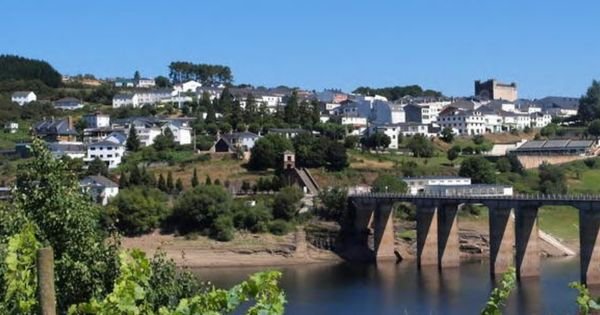
Stage 19: Portomarín – Palas de Rei (24.8 km)
The Camino continues over gentle hills and eucalyptus woodland, with the village of Palas de Rei offering a welcoming rest before the final stages of the route.
Stage 20: Palas de Rei – Arzúa (28.5 km)

Stage 20: Palas de Rei – Arzúa (28.5 km)
Linking Lugo Province y A Coruña Province, this stage connects with the Camino del Norte and continues through green, fertile countryside to Arzúa, well known for its local cheese.
Stage 21: Arzúa – O Pedrouzo (19.3 km)
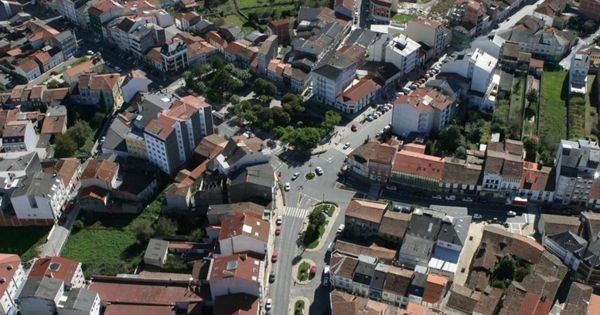
Stage 21: Arzúa – O Pedrouzo (19.3 km)
One of the final stages, passing through woods and meadows to the town of O Pedrouzo, getting pilgrims ready for their arrival in Santiago.

Stage 22: O Pedrouzo – Santiago de Compostela (20 km)
The exciting finish of the Camino Frances, where pilgrims cross Monte do Gozo before reaching the Cathedral of Santiago in the city of Santiago de Compostela, a culminating moment of celebration and spiritual reflection.
What the Camino from Burgos Is Like, Stage by Stage
After leaving Burgos, the Camino heads into the Meseta: Hornillos del Camino, Castrojeriz with its hilltop castle, the Canal de Castilla at Frómista, and the Romanesque churches of Palencia, Carrión de los Condes, and the long, straight Roman road to Sahagún. Past León, the route climbs to Astorga, crosses the Cruz de Ferro — the highest point on the Camino Frances — and descends into the Bierzo, with Ponferrada and its Templar castle. The last big effort is the climb to O Cebreiro; from there, five stages through rural Galicia lead to the Obradoiro square.
Burgos has a large municipal albergue by the river and every service you need; you can get your pilgrim credential at the cathedral itself or at the albergues. The first stage, to Hornillos del Camino, is a comfortable 20 kilometres — a gentle way to ease into the Meseta.